

Preparing Children and Teens Emotionally for a New School Year
Sometimes children and teens need extra guidance developing the emotional skills that help them navigate school, friendships, and everyday challenges.
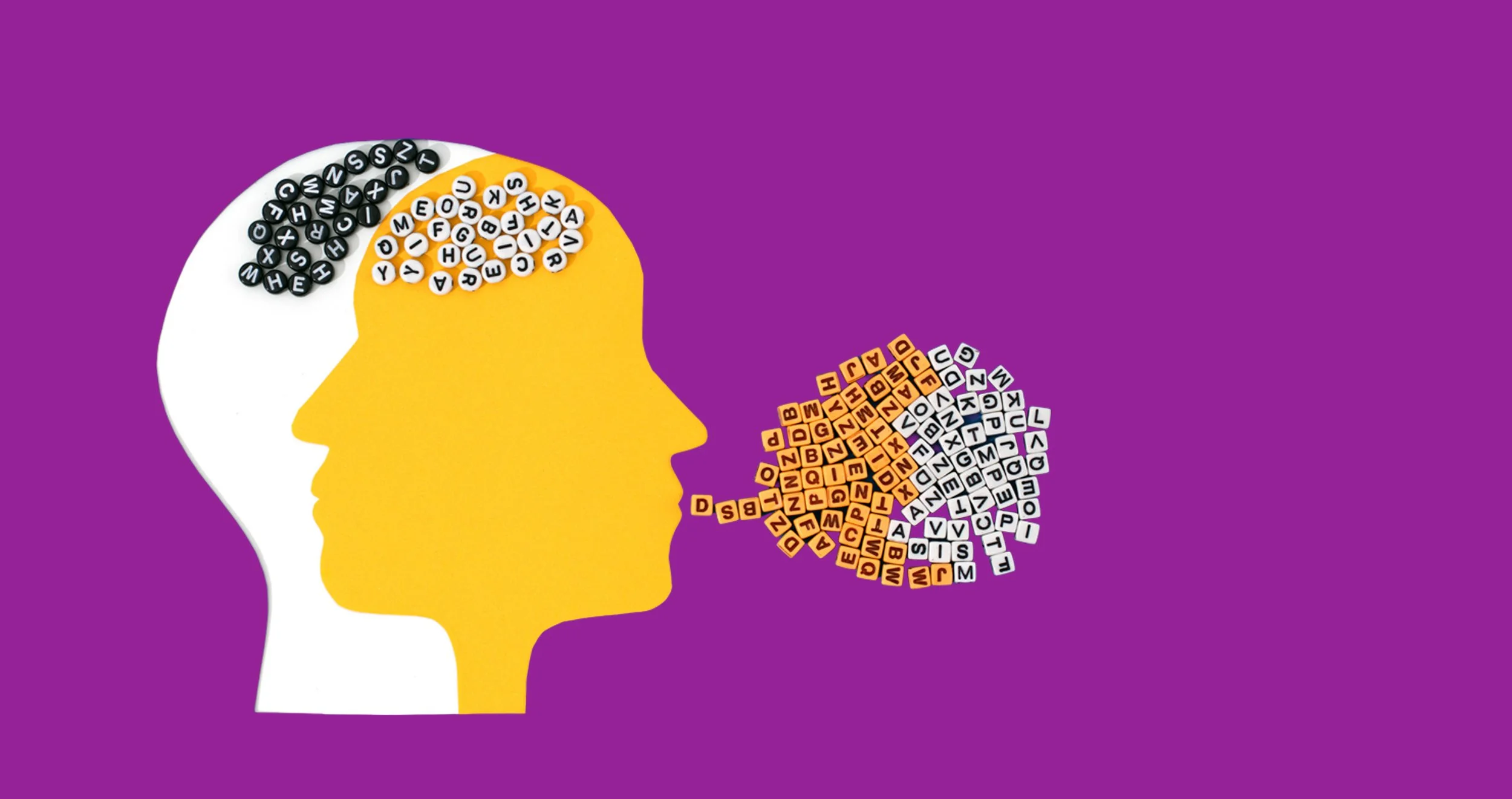
Emotional Regulation: What It Is and Why It Matters in Everyday Life
When people hear the term emotional regulation, they often picture staying calm under pressure or simply controlling their emotions. In reality, emotional regulation is much more than that.
Emotional regulation is the ability to recognize what you're feeling, understand why you're feeling it, and respond in ways that support your well-being rather than working against it.
Everyone experiences frustration, sadness, anxiety, disappointment, and anger. Those emotions are part of being human. The challenge often comes when emotions become so intense that they influence our reactions, relationships, and daily decisions.

Why transitions can feel harder than expected
Summer break. Vacation. A new schedule. Yet transitions often challenge the nervous system because routines change.
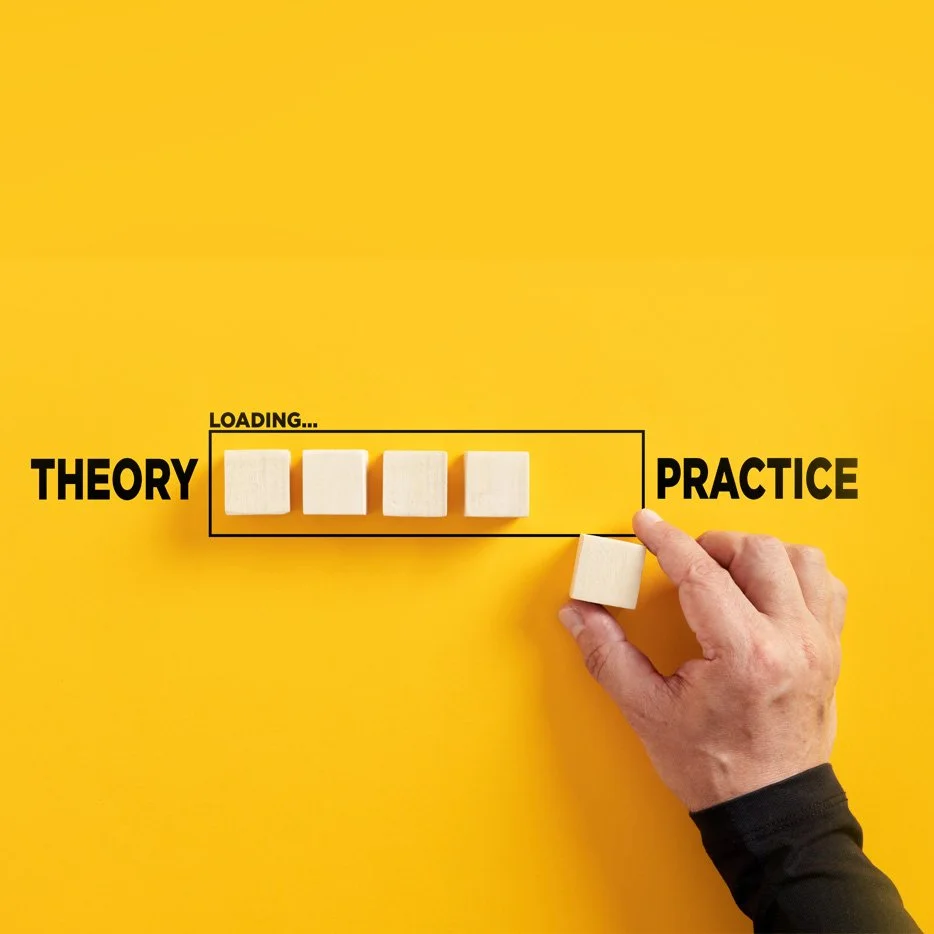
Why Structure Supports Emotional Change
Many people rely on motivation to create change.
Motivation fluctuates.
Structure holds.

Why Stress Becomes Ongoing
Stress does not always resolve when circumstances change.
Many people expect relief after a transition.
Instead, they notice:
• ongoing irritability
• low energy
• emotional sensitivity
• difficulty concentrating

When Stress Doesn’t Go Away After Change
Emotional patterns are shaped by past experiences, stress exposure, and learned responses.
When the nervous system remains activated, even small stressors can feel amplified.
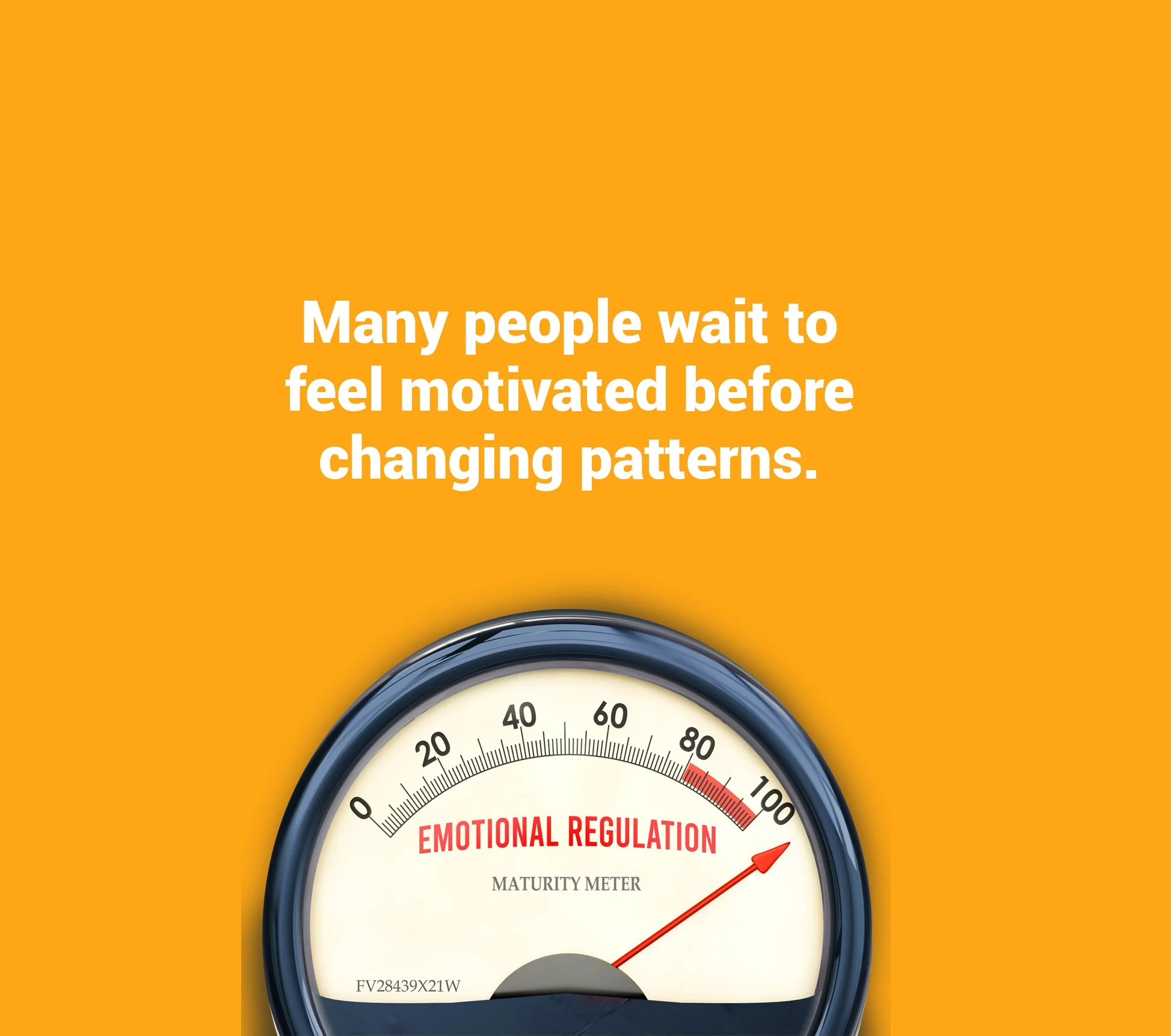
Why Emotional Regulation Matters More Than Motivation
Motivation fluctuates. Regulation sustains change.


Why Teens Struggle More Around the Holidays — And How DBT Skills Help
The holidays come with lights, celebrations, and the idea that everyone should feel joyful. But for many teens, this season brings the opposite — more stress, more pressure, and more emotional overwhelm.

Why Parents Need DBT Too
You want to help your kid. You’ve tried everything. You’re exhausted, overwhelmed, and just want something—anything—to finally work.

The Fear of Doing Things Differently
We say we want change. We mean it, too.
We want to feel better. We want our relationships to improve. We want to stop the spiral before it starts.