
Emotional Regulation: What It Is and Why It Matters in Everyday Life
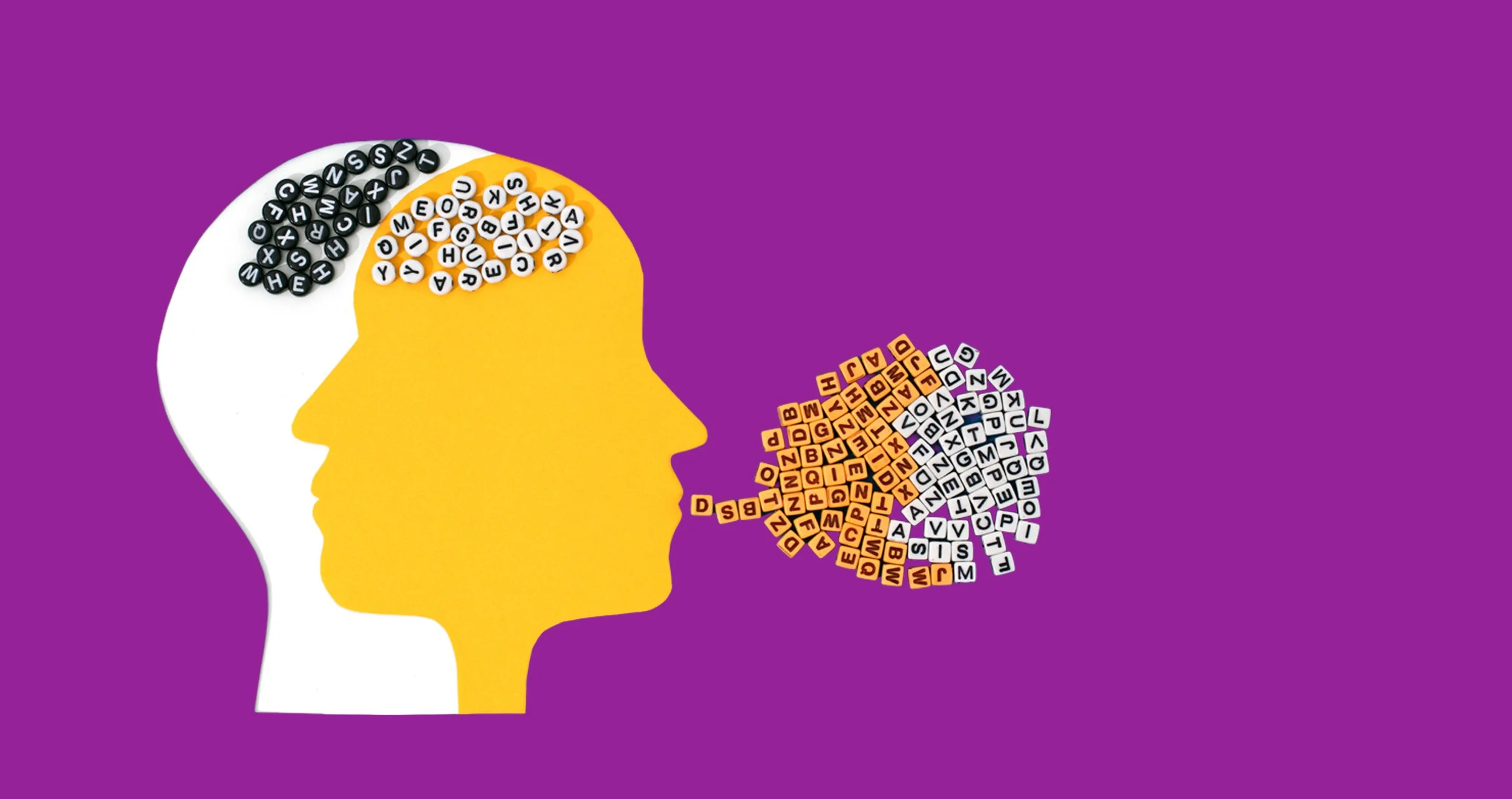
When people hear the term emotional regulation, they often picture staying calm under pressure or simply controlling their emotions. In reality, emotional regulation is much more than that.
Emotional regulation is the ability to recognize what you're feeling, understand why you're feeling it, and respond in ways that support your well-being rather than working against it.
Everyone experiences frustration, sadness, anxiety, disappointment, and anger. Those emotions are part of being human. The challenge often comes when emotions become so intense that they influence our reactions, relationships, and daily decisions.
What emotional dysregulation can look like
Many people don't realize they're struggling with emotional regulation because the signs can appear in everyday situations, such as:
reacting quickly during disagreements
feeling overwhelmed by small setbacks
shutting down during difficult conversations
struggling to calm down after becoming upset
feeling emotionally exhausted by the end of the day
These experiences don't mean something is wrong with you. They often signal that your nervous system could benefit from additional support and practical coping strategies.
Emotional regulation is a skill
One of the most encouraging things about emotional regulation is that it can be learned.
Just as we build physical strength through repetition, we build emotional resilience through practice.
Over time, people can learn to:
recognize emotional triggers sooner
pause before reacting
communicate more effectively
manage stress with greater confidence
recover more quickly after difficult situations
These skills don't eliminate life's challenges, but they can make those challenges feel much more manageable.
How therapy can help
Therapy provides a supportive space to better understand emotional patterns while learning practical strategies that fit your everyday life.
For many people, this includes learning skills that strengthen relationships, reduce stress, improve communication, and increase confidence when navigating difficult situations.
Whether you're managing anxiety, parenting challenges, relationship stress, or major life transitions, developing emotional regulation skills can have a meaningful impact on your overall well-being.
At Beaches Therapy, we help children, teens, adults, and families build practical skills that support healthier relationships, greater resilience, and lasting emotional growth.
Because feeling your emotions is part of being human. Learning how to navigate them with confidence is a skill that can benefit every area of life.